
Glucose levels
Learn proven strategies to maintain healthy blood sugar levels, improve insulin sensitivity, and prevent diabetes naturally. Discover diet, lifestyle, and supplement tips.
Introduction
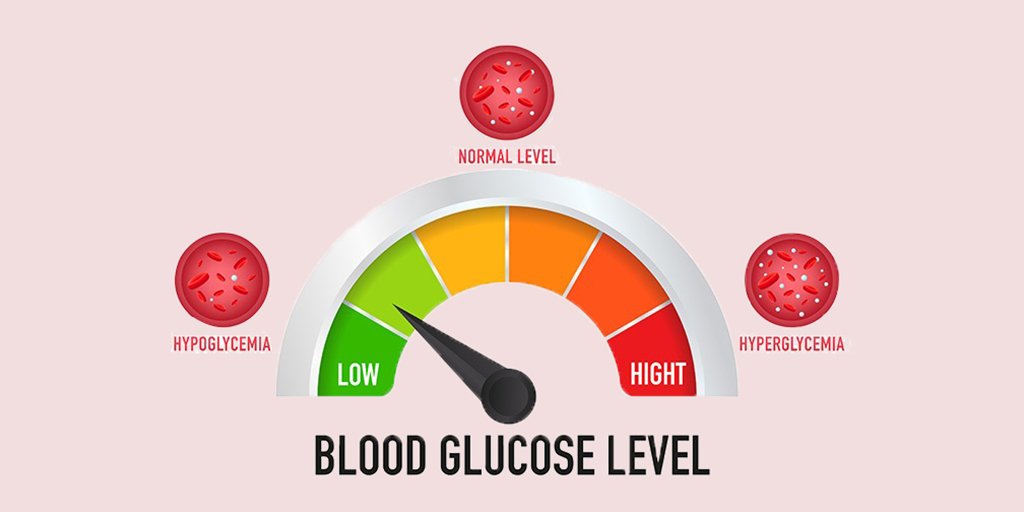
Glucose levels, also known as glucose, is the main source of energy for your body. Maintaining healthy blood sugar levels is critical not only for managing diabetes but also for overall energy, mood, and long-term health. Uncontrolled Glucose levels is regulated primarily by insulin, a hormone produced by the pancreas. When this system malfunctions, it leads to high Glucose levels (hyperglycemia) or low Glucose levels (hypoglycemia). can lead to serious complications such as heart disease, kidney damage, nerve problems, and vision issues.
In this comprehensive guide, we’ll explore everything you need to know about managing blood sugar naturally — from causes of imbalance to diet, exercise, supplements, and lifestyle changes that work.
1. Understanding Glucose levels and Its Importance
Glucose levels is regulated primarily by insulin, a hormone produced by the pancreas. When this system malfunctions, it leads to high blood sugar (hyperglycemia) or low blood sugar (hypoglycemia).
- Normal fasting blood sugar: 70–100 mg/dL
- After meals: Less than 140 mg/dL
- High risk: Over 126 mg/dL (fasting) indicates diabetes
Maintaining healthy blood sugar levels can improve your energy, mood, and prevent chronic health issues.
2. Causes of Blood Sugar Imbalance
Blood sugar imbalance can be triggered by multiple factors:
- Poor Diet: Excess sugar, refined carbs, and processed foods spike glucose levels.
- Sedentary Lifestyle: Lack of exercise reduces insulin sensitivity.
- Stress & Sleep Deprivation: Cortisol spikes raise blood sugar.
- Genetic Predisposition: Family history of diabetes increases risk.
- Obesity & Weight Gain: Especially abdominal fat affects insulin function.
3. Natural Remedies and Supplements
Certain foods and supplements can support healthy Glucose levels:
- Cinnamon: Improves insulin sensitivity
- Berberine: Supports glucose metabolism
- Fenugreek Seeds: Helps reduce post-meal spikes
- Alpha-Lipoic Acid: Powerful antioxidant aiding insulin function
- Chromium: Improves sugar metabolism
⚠️ Always consult your doctor before starting supplements.
4. Blood Sugar-Friendly Diet
Focus on foods with low glycemic index (GI):
- Vegetables: Spinach, broccoli, zucchini
- Fruits: Berries, apple, pear
- Proteins: Chicken, fish, eggs, tofu
- Whole Grains: Oats, quinoa, barley
- Healthy Fats: Olive oil, avocado, nuts
Tips:
- Avoid sugary drinks and snacks
- Eat small, frequent meals to stabilize glucose
- Include fiber in every meal
5. Exercise and Activity
Physical activity helps muscles absorb glucose, improving insulin sensitivity:
- Cardio: Walking, jogging, cycling (30–45 min/day)
- Strength Training: Weight lifting, resistance bands (2–3 times/week)
- Stretching/Yoga: Improves circulation and reduces stress
6. Lifestyle Changes
- Sleep: Aim for 7–9 hours/night
- Stress Management: Meditation, deep breathing, mindfulness
- Hydration: Drink enough water to regulate Glucose levels
- Routine Monitoring: Track glucose with a glucometer
7. Common Myths
- Myth: Only sugar causes diabetes
Truth: Refined carbs and processed foods are also major contributors. - Myth: Supplements alone can control blood sugar
Truth: Lifestyle changes are equally important.
8. FAQs
Q1: Can I reverse prediabetes naturally?
A: Yes, with diet, exercise, weight management, and proper supplements.
Q2: Which fruits are safe for Glucose levels ?
A: Berries, apples, pears, citrus fruits are best.
Q3: How often should I check Glucose levels?
A: Depends on risk; daily for diabetics, occasional for healthy individuals.
Conclusion
Managing Glucose levels naturally is a combination of diet, exercise, lifestyle, and selective supplementation. By adopting these strategies, you can stabilize your glucose levels, improve energy, and reduce the risk of chronic diseases.
Natural ways to control blood sugar levels without medication








.png)
7 Comments