
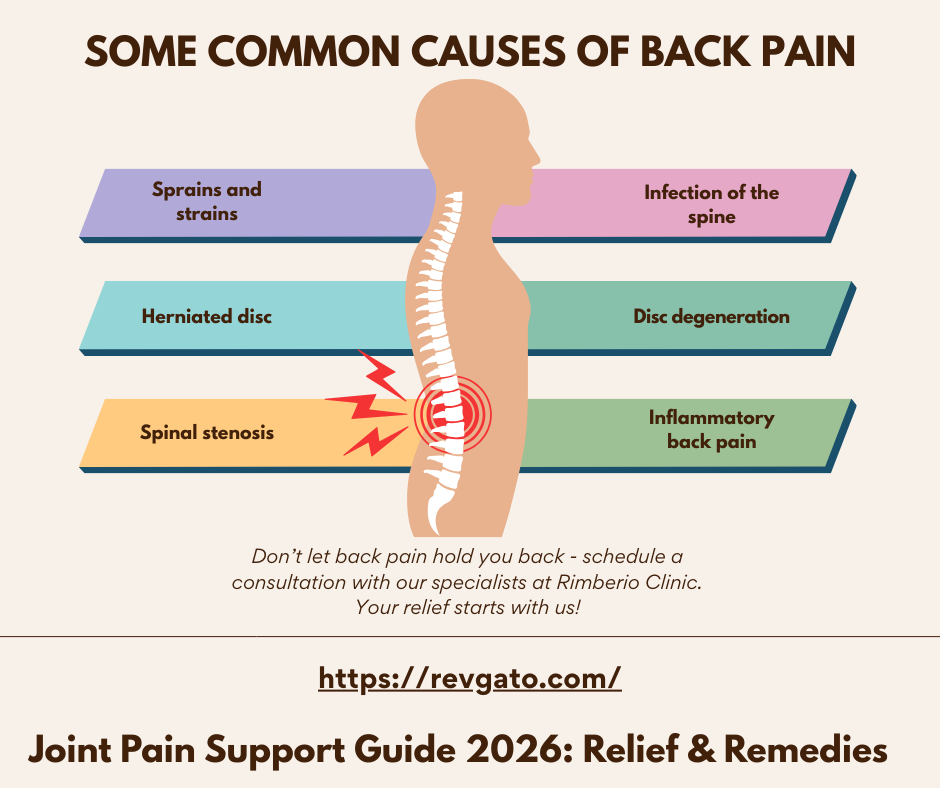
Joint pain support is more critical than ever in 2026 as millions navigate the daily realities of stiffness, aches, swelling, and reduced mobility that come with aging, active lifestyles, injuries, or chronic conditions. Whether it’s the nagging knee discomfort after a long day, hip tightness from prolonged sitting, shoulder soreness from repetitive motions, or the sharp, radiating burn of sciatic nerve issues that disrupts sleep and movement, joint pain support addresses the root challenges head-on.
This exhaustive guide explores every facet: what causes it, what happens physiologically and in daily life, how to survive the toughest days, actionable steps using nature’s power, proven medical interventions, comprehensive protocols for long-term relief, prevention tactics, and practical integrations to reclaim comfort, flexibility, and strength.
In a world where sedentary work, environmental stressors, and longer lifespans amplify joint wear, joint pain support isn’t just about masking symptoms—it’s about empowering the body to rebuild, reduce inflammation, enhance lubrication, and foster resilience. Backed by the latest 2026 research from meta-analyses, randomized controlled trials (RCTs), and expert consensus, this deep dive provides a roadmap for anyone seeking sustainable joint pain support. Expect detailed mechanisms, step-by-step plans, real-world scenarios, and evidence-based insights to make joint pain support a transformative part of your routine.
Learn more about improving men’s health and boosting sexual vitality in our detailed guide.
What Is Joint Pain Support? Defining the Need in 2026
Joint pain support encompasses all strategies—nutritional, physical, lifestyle, and therapeutic—to alleviate discomfort in the body’s 360+ joints (from fingers to spine) while promoting long-term health. Joints are marvels of engineering: cartilage cushions bone ends, synovial fluid lubricates like oil in an engine, ligaments stabilize, and muscles power motion. When this harmony breaks, joint pain support steps in to restore balance.
In 2026, searches for joint pain support have skyrocketed due to rising osteoarthritis (OA) cases (affecting over 32 million U.S. adults), rheumatoid arthritis (RA) flares, post-injury recoveries, and even post-viral joint sensitivities. Unlike temporary fixes, effective joint pain support targets inflammation (via cytokines like IL-6 and TNF-α), cartilage degradation, nerve irritation, and muscle weakness. It shifts from “enduring pain” to proactive thriving, often yielding 20-50% pain reduction and improved function in studies when combined holistically.
What Happens When Joint Pain Strikes: Causes, Symptoms, and Physiological Progressi
Understanding the “what happens” in joint pain support starts with the cascade of events leading to discomfort. Joint pain doesn’t appear overnight—it’s a buildup.
Root Causes of Joint Pain:
- Degenerative (Wear-and-Tear): Osteoarthritis (OA) is the top culprit, where cartilage thins from mechanical stress, aging, or obesity (each extra pound adds 4x load on knees). Bone spurs form, synovial fluid thickens, leading to grinding.
- Inflammatory/Autoimmune: RA, where the immune system attacks the synovium (joint lining), causing swelling and erosion. Gout from uric acid crystals, or psoriatic arthritis from skin-joint links.
- Trauma and Overuse: Sprains, strains, fractures, or repetitive motions (e.g., typing, sports) inflame bursae or tendons.
- Nerve-Related: Sciatica from herniated discs compressing the sciatic nerve, causing shooting pain down the leg; or neuropathy from diabetes/vitamin deficiencies.
- Systemic Factors: Infections (Lyme, viral), hormonal shifts (menopause), deficiencies (vitamin D, magnesium), or metabolic issues (obesity, poor diet fueling inflammation).
What Happens Physiologically:
- Initial Trigger: Cartilage matrix breaks down—glucosamine and chondroitin levels drop, reducing shock absorption.
- Inflammation Surge: Immune cells release prostaglandins and leukotrienes, swelling the joint capsule. Pain signals amplify via nerves.
- Stiffness and Reduced Mobility: Synovial fluid loses viscosity; muscles weaken from disuse, creating a vicious cycle.
- Nerve Involvement: In sciatica, pinched nerves cause burning, tingling, numbness—radiating from lower back to foot.
- Progression Over Time: Untreated, joint space narrows (visible on X-rays), leading to bone-on-bone friction, deformities, and secondary issues like falls or depression from chronic pain.
Symptoms in Action:
- Acute Phase (Days 1-7): Sharp pain, redness, heat, swelling—e.g., after a twist.
- Subacute (Weeks): Morning stiffness (30+ minutes), clicking/grinding, limited range.
- Chronic (Months+): Constant ache, fatigue, sleep disruption, emotional toll (anxiety from “will it get worse?”).
Real Scenario: Imagine a 55-year-old office worker: Years of sitting erode knee cartilage. One morning, stairs feel like fire—joint pain support begins here to halt progression.
Without joint pain support, what happens escalates: 20-30% mobility loss in 5 years for OA sufferers, per 2026 data. But with targeted actions, reversal is possible—cartilage can stabilize, inflammation quiets.
How to Survive Joint Pain: Daily Coping Strategies for Resilience
Surviving joint pain means turning bad days into manageable ones. Joint pain support here focuses on mindset, routines, and adaptations to “live with it” while improving.
Mindset Shifts for Survival:
- Reframe: Pain is a signal, not a sentence—track patterns (e.g., worse after rain? Hydrate more).
- Pacing: Break tasks (e.g., 10-min chores, rest).
- Gratitude Journal: Note small wins (e.g., “walked 500 steps today”) to combat pain’s mental drain.
**Daily Routines for **Joint Pain Support:
- Morning Activation: Gentle stretches—arm circles, ankle rolls (5 mins). Heat a rice sock for 15 mins to loosen.
- Movement Breaks: Every 30 mins, stand/walk 2 mins. Use a standing desk or timer apps.
- Posture Mastery: Align ears over shoulders, knees over ankles. Ergonomic chairs reduce spinal load 40%.
- Heat/Cold Therapy: Alternate—ice for acute swelling (15 mins, wrapped), heat for stiffness (warm bath with Epsom salts for magnesium absorption).
- Sleep Optimization: Side-sleep with pillow between knees; aim 7-9 hours. Poor sleep worsens inflammation 2x.
- Nutrition Timing: Anti-inflammatory meals every 4 hours—e.g., breakfast: berries + nuts.
- Evening Wind-Down: Foam roll sore spots, deep breathing (4-7-8 technique) to lower cortisol.
Scenario Survival Guide:
- Flare Day: Rest elevated, topical arnica (natural anti-inflammatory), distraction (podcast while icing).
- Workday: Desk stretches, compression sleeves for knees.
- Travel: Motion aids like ginger chews; aisle seats for leg room.
How to Survive Long-Term: Build “pain resilience” via weekly reviews—adjust based on what works. Studies show consistent routines cut flare frequency 50%.
What to Do: Natural Approaches to Joint Pain Support – Harnessing Nature’s Power
Nature provides potent joint pain support through diet, herbs, movement, and supplements. 2026 evidence highlights these for reducing pain 20-40% without side effects.
**Anti-Inflammatory Diet for **Joint Pain Support:
- Eat This: Fatty fish (salmon 2x/week for omega-3s—EPA/DHA calm cytokines), berries (anthocyanins block inflammation), leafy greens (magnesium relaxes muscles), turmeric/ginger (curcumin/gingerols match ibuprofen in trials), olive oil, nuts.
- Avoid This: Processed sugars (spike inflammation), red meat (arachidonic acid fuels pain), fried foods.
- Recipe Example: Golden turmeric smoothie: Banana, spinach, almond milk, 1 tsp turmeric + black pepper, ginger. Blend daily—absorbs 20x better with fats.
Natural ways to control blood sugar levels without medication
Herbal and Topical Remedies:
- Turmeric/Curcumin: 500-2,000 mg daily (with piperine). 2026 meta-analyses: Equals NSAIDs for knee OA, no GI risks.
- Ginger: 1g fresh or tea—reduces stiffness in 7 days.
- Boswellia Serrata: 100-250 mg AKBA extract—blocks leukotrienes, fast relief in OA.
- Cherry Extract: 1 glass juice/day—anthocyanins cut gout flares.
- Topicals: Capsaicin cream (from peppers) for nerve pain; arnica gel for bruises.
Exercise and Movement Protocols:
- Low-Impact Cardio: Swim/yoga 150 mins/week—builds synovial fluid.
- Strength Training: Resistance bands 2x/week—strengthens stabilizers (e.g., quad sets for knees).
- Flexibility: Tai chi or Pilates—improves balance, cuts fall risk 30%.
- For Sciatica: Piriformis stretch (figure-4 pose), cat-cow yoga—eases nerve pressure.
Supplements: The Science-Backed Core of Natural *Joint Pain Support***
From 2026 reviews (e.g., meta-analyses of 25+ trials):
| Ingredient | Mechanism for Joint Pain Support | Evidence (2026) | Typical Dose | Best For |
|---|---|---|---|---|
| Glucosamine Sulfate | Builds cartilage glycosaminoglycans; slows narrowing. | Modest pain relief (10-30%), function gains; matches low-dose NSAIDs. | 1,500 mg/day | OA, long-term. |
| Chondroitin Sulfate | Retains joint water; inhibits enzymes. | Reduces stiffness; combo with glucosamine superior. | 800-1,200 mg/day | Cartilage health. |
| Omega-3s (EPA/DHA) | Shifts to anti-inflammatory prostaglandins. | Less swelling in RA/OA; meta of 2,000+ shows movement gains. | 1g EPA + 1g DHA/day | Systemic inflammation. |
| Curcumin (Turmeric) | Blocks COX-2/NF-κB; antioxidant. | Significant OA pain drop; better than ibuprofen in head-to-heads. | 500-2,000 mg + piperine. | Inflammatory pain. |
| MSM | Sulfur for connective tissue; mild anti-inflammatory. | Synergistic; reduces soreness post-exercise. | 2-3g/day | Flexibility. |
| Collagen (Hydrolyzed or UC-II) | Signals repair; modulates immunity. | Pain/function improvements in OA; low-dose effective. | 10g peptides or 40mg UC-II. | Stiffness. |
| Boswellia | Inhibits 5-LOX; protects cartilage. | Fast (7-14 days) knee pain relief; top for stiffness. | 100-250 mg AKBA. | Quick support. |
| Vitamin D | Bone/joint density if deficient. | Reduces pain in low levels. | 2,000-4,000 IU/day (test first). | Deficiency-linked. |
How to Use: Start one (e.g., curcumin) for 4 weeks; stack (glucosamine + omega-3). Take with food; 8-12 weeks for peaks. Vegan options abound.
Advanced Nature Hacks: Acupuncture (needles calm nerves), massage (releases fascia), essential oils (eucalyptus for topical cooling)
Medical and Conventional Medicine for Joint Pain Support
When nature needs backup, medicine offers joint pain support from quick relief to regeneration.
Over-the-Counter and Prescriptions:
- NSAIDs (Ibuprofen, Naproxen): Block prostaglandins—fast for flares, but limit to 10 days (GI/kidney risks).
- Acetaminophen: For milder pain, safer on stomach.
- Topicals: Diclofenac gel—targets without systemic effects.
Physical and Interventional Therapies:
- PT: Customized exercises—strengthens 30-50% pain reduction.
- Injections: Corticosteroids (short-term inflammation drop); hyaluronic acid (lubrication for knees).
- New 2026 Breakthroughs: Low-dose radiation (6 sessions, targets mast cells for knee OA—European staple, now U.S.-validated); regenerative like PRP (platelet-rich plasma from blood—accelerates healing); vagus nerve stim for RA (77% response).
Surgery as Last Resort: Arthroscopy for tears; joint replacement for end-stage (90% success, but 6-12 month recovery).
**For Sciatica-Specific **Joint Pain Support:
- Nerve Calmers: Alpha-lipoic acid, B vitamins, magnesium glycinate—reduce burning.
- Medical: Epidural steroids, nerve blocks; PT for core stability.
Integration: Combine—e.g., curcumin + PT for 2x efficacy.
Comprehensive Protocols: Step-by-Step Joint Pain Support Plans
Beginner Protocol (Weeks 1-4):
- Diet overhaul + daily walks.
- Curcumin + omega-3.
- Heat/cold + stretches.
Intermediate (Months 2-6):
Add glucosamine/chondroitin; strength training; track with app.
Advanced (Ongoing):
Full stack + regenerative consult; quarterly bloodwork.
Condition-Specific:
- Knee OA: Boswellia + swimming.
- Sciatica: Yoga + ALA supplement.
- RA Flare: Omega-3 + rest + MD anti-inflammatories.
Prevention and Long-Term Joint Pain Support
- Maintain BMI <25 (cuts knee load 50%).
- Annual vitamin checks.
- Bone density scans post-50.
Myths Busted:
- “Supplements rebuild cartilage overnight”—No, but slow loss.
- “Rest is best”—Movement is medicine.
**FAQs for **Joint Pain Support:
- When to see MD? Persistent >2 weeks, swelling, fever.
- Side effects? Rare with naturals; monitor meds.
- Kids/Teens? Focus prevention via sports form.
In 2026, joint pain support is your ally—nature fuels the foundation, medicine accelerates, daily habits sustain. Start today: One change (e.g., turmeric tea) sparks momentum. Consistency transforms survival into thriving, turning joint challenges into stories of resilience.



.png)
4 Comments